Tuesday, December 28, 2010

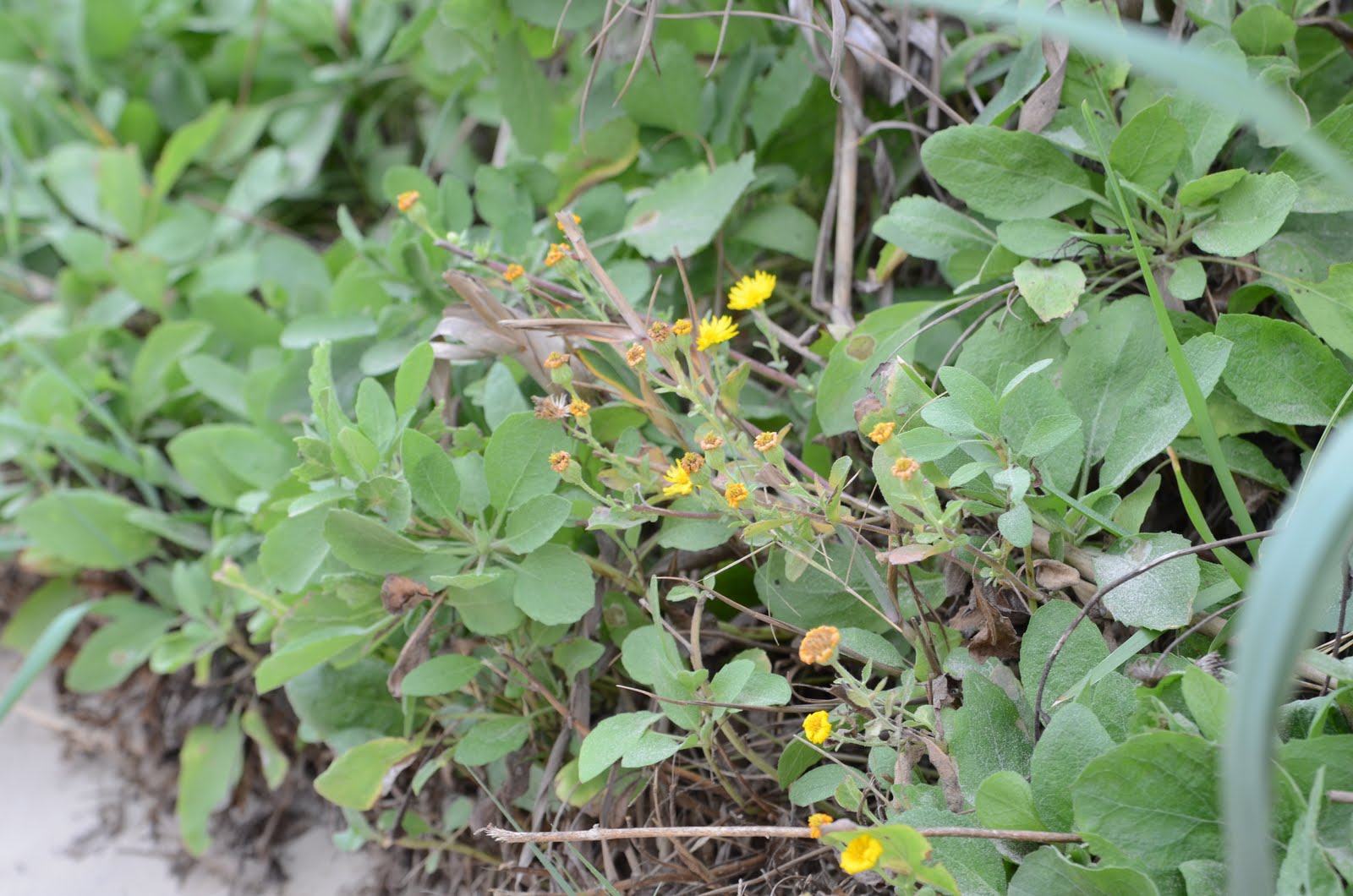
South Padre Island


I just returned from a week's vacation at South Padre Island, Texas. The best parts of the trip were being able to spend a week away from home with my husband and son as well as my two sisters and their families. The weather was not the best, being quite windy for the most part. South Padre Island is just off the coast of Texas near the port city of Port Isabel. It has a rich history that includes Spanish shipwrecks and lost treasure.

Although a big tourist area, there miles and miles of undeveloped beach and dunes, a must see if you visit there. This is mostly the north end of the island. Plan on walking the beach and dunes for as long as you like.

Our condos were spacious and had a view of the gulf. The hot tubs were a highlight since the weather was a little cool.

As a big shrimping area be sure to eat shrimp. I advice buying fresh shrimp and other seafood at Dirty Al's market. The shrimp is large and inexpensive. For one dinner we boiled shrimp and fried flounder in our condo. It was better than any food we bought at the restaurants.

Sunset on the patio of one of the restaurants on the lagoon side is also worth doing.

We rode horses on the beach. Place like this should be sure to tell you that experienced riders need not go. There were over 30 people on the ride and they gave us a feeling of being 'herded' rather than going for a ride. Even though we were told that it was ok to trot the horses, I found that they meant for just a few short minutes. Much of the time was spent just sitting still on the horses while we waited for slower riders and picture taking.

December is a good time to visit South Padre because it is not crowded, but the weather is probably nicer later in winter. After the rush of the Christmas Season its great to enjoy some R & R before getting back to work though.

Happy New Year Everyone and thanks for a great year.

Monday, December 20, 2010

Eggplant Pepper Pizza


Homemade pizza is probably my favorite thing to make for dinner. There are so many variations of toppings for pizza and its a pretty quick meal to make. The dough needs to rise awhile but you can be wrapping presents while it rises. Making pizza is a good way to get the whole family involved too and we often make several for different tastes.
The toppings here are roasted eggplant, sweet peppers and feta cheese. To do this, slice the eggplant about 1/4 inch thick, sprinkle with a little salt and let set for at least 15 minutes to 'sweat'. After 15-20 minutes you will see liquid bubbled up on the eggplant; blot this off with a paper towel, put eggplant on an oiled baking sheet and cook at 375 for about 15 minutes or until soft. Be careful not to overcook and char the eggplant. The peppers get roasted in the oven at the same time. Roast these a little longer until the skin chars a little. Remove from oven and let cool enough to peel the skin off the peppers. Slice both the eggplant and the peppers and top your pizza with them followed by some feta cheese. I put some banana pepper rings on this pizza too.

Pizza Dough Recipe

2 1/2 cups warm water
2 tablespoons yeast
3 cups white flour
3 cups whole wheat flour
1 tablespoon honey or sugar
1 tablespoon olive oil
3/4 teaspoons salt

Mix the water and yeast together, then add the rest and mix. Let rise in a warm place for 1 hour or so (times are only a guideline). Knead, split in two (or more) and roll dough out on a floured surface to the size/shape pizza you want.

Monday, December 13, 2010

Do You Saponify?


Do you saponify? Some of my best friends do. And although it can be quite dangerous without proper precautions and can be addicting, it is still good clean fun. I am proud to be a professional soapmaker and keep company with other soapmakers; they are among the nicest people I know!

Saponification is the base promoted hydroysis of an ester to produce an alcohol and the sodium salt of that acid. What?? OK, lets break it down. The ester used in soapmaking is a triglyceride, also called a triacylglyerol. This is a type of fat consisting of a glycerol (3 carbon sugar) which is attached to 3 fatty acids through a ester bond. The fatty acids in the picture are the 3 tails sticking out to the left and the glycerol is the 3 carbon backbone running vertically on the right. There are many different types of fatty acids and the three fatty acids found in any triglyceride will vary. The ester bonds are between the O (oxygen) on the glycerol and the C=O on the fatty acid.

When soap is made this bond between the fatty acids and glycerol is broken by the presence of a strong base or alkali, this means something with a very high pH. This strong base is sodium hydroxide (NaOH). Yes, it is drain cleaner and a very dangerous substance when not handled properly. We soapmakers take proper precautions. And just to make sure you keep reading, I will tell you now that finished soap is completely safe because there is no lye left in the soap when done properly. We know alot today about this chemical reaction and can actually calculate the precise amount of lye necessary to react with various oils. Soapmakers generally use online calculators to determine the exact amount of lye to use in their individual recipe and then add little bit more oil to 'superfat' the soap making it more mild. Previous generations did not have this so many of 'Grandma's' soaps came out heavy on the lye and were quite harsh. Today handcrafted soaps are very mild and the soapmaker can vary characteristics of the soap by using different triglycerides or oils.

OK, back to the saponification reaction. The NaOH breaks the ester bond between the glycerol and fatty acids. The -OH (hydroxide) part of the NaOH chemically or covalently binds to the glycerol side while the Na (sodium) chemically binds to the fatty acids. Now instead of a triglyceride we have a free glycerol molecule and a sodium (Na) salt of the fatty acid. Wow! Chemistry in action. Small soapmakers will leave the glycerol (also called glycerin) in the soap and it makes a great moisturizer. Some large companies will remove the glycerin to use for other purposes. If you've never tried a bar of handcrafted soap, you don't know what you are missing. These are generally very mild and moisturizing cleansers compared to grocery store big brands, most of which are technically not soap.

Everybody makes soaps a little differently. Some people go for the latest bath and body scents, others go for the visual effect and make beautiful works of art from their soap. Being an herbalist, I am always looking for herbs that can benefit a bar of soap. Some of my favorites for soap include calendula, mint, lavender, rosemary.

While soapmaking has been around for sometime it recently has boomed as a cottage industry and soapmakers even have their own professional organization; the Handcrafted Soapmakers Guild. If you are interested in soapmaking visit there to find out more. You can also find soapmakers there but you can also find plenty of handcrafted soap on my website. What is your favorite kind of soap?


Thursday, December 9, 2010

Pictures Around Here this Week


Rose Geranium Soap, Mountain Mist Hand and Body Lotion and a basket of dried calendula ready to put away.


Thursday, December 2, 2010

Herbal Advent Wreath


After pulling my advent wreath out of the cupboard this weekend I realized it was time for a new one. I bought a clear glass bowl to display soaps in but it gave me the idea to use it to hold a fresh cut herb/greens wreath. After googling for ideas I realized it was not a completely unique idea but I did put my uniqueness to it. I put some florist's foam in the dish which is about 4 inches high. I pushed the 4 candles in the foam; it actually should be 3 purple to symbolize royalty and 1 pink that is lit the 3rd Sunday of Advent as a reminder that it is half over. For some reason I never seem to get the right candles. I then went outside to look for whatever I could find green or at least gray. I picked four small branches off a juniper bush, some thyme, rue, lavender, sage, hyssop and some beautiful red berries which I believe are from a cotoneaster bush. Following is the meaning of these herbs:

Lavender for purity, cleanliness and virtue
Sage branches represent immortality
Rue is an herb of grace used for driving away evil.
Thyme is an herb used for courage.
Hyssop is for purification

I started by putting the juniper branches into the foam and then filling in with the herbs. The berries worked great in the middle to hide the foam. I love the way it looks.

Tuesday, November 23, 2010

Food, Family, Thanks

As we prepare for our feasts tomorrow lets think about what is important to us in our lives and how this relates to farms and agriculture. The AgChat Foundation suggests that we take time out today to give thanks for food, #foodthanks. Some of my best childhood memories include gardening and cooking with my Mom as well as going to U-Pick farms for fruits. I hope that my children have developed similar experiences of food; both cooking and growing in their memories.

On Thanksgiving most of us will come together with family and/or friends to celebrate and give thanks for the things in our lives that are important. As I reflect on my life the things that come to mind that I am thankful for include:

Family
Friends
Work
Quality of life
Food
Health

My family, parents and siblings, had always come together at the dinner table over food. Family dinners are a tradition I have continued after I started my own family and something I hope has impacted my children. It is a way of teaching nutrition, spending time together and learning how to cook using real food rather than prepared packages. I am shocked when I hear that many families do not eat together.

When I spend time with friends, it is often over a meal where we can sit and talk. Health for each and everyone of us depends upon food. The less processed our food and closer to the farm it is the healthier it is. In fact the American Institute for Cancer Research suggests that we can decrease the risk of cancer significantly by eating more fruits and vegetables.

My work also centers on farming to a certain extent. I grow herbs on my farm that I use to make botanically based skin care products. Although most of us do realize that farms are necessary for our food, do we realize that farms also produce fiber, animal feed, fuel, medicines, vegetable oils used in body care and more.

So how we can both celebrate agriculture and thank those involved in agriculture. For me its supporting farmers markets and local food. A lot of fossil fuel is used in transporting produce from one part of the country to another, or even from other countries. Fossil fuels are also used to power farm equipment, produce pesticides, herbicides and fertilizers. Because of this I look for small farms that grow without the use of pesticides and herbicides and use limited fuels. I do not search for certified organic however because I know how costly and distracting it is to become certified.

Supporting small farmers can increase our sustainability as a nation. The more centralized our food system is the more devastating and debilitating it would be in case of a disaster caused either by terrorism or natural causes. Large factory farms can be the source of a lot of problems in our food system. Support smaller farms that practice crop diversity and seed saving for our future.

To decrease the carbon foot print of food you could also plant a garden in your yard. Some of our country’s best agricultural land is to be found in our housing subdivisions now. First Lady Eleanor Roosevelt first encouraged home gardeners during WWII to plant home gardens to raise awareness of healthy food. 20 million victory gardens were planted during WWII producing 9-10 million tons of fruits and vegetables; enough to meet 50% of the county’s needs. The number of families doing canning also increased during this time. Unfortunately, food shortages occurred at the end of the war when citizens abandoned their victory gardens. First Lady Michelle Obama has once again drawn attention to food by planting a 1100 square foot Victory Garden on the White House lawn, the first since Eleanor Roosevelt planted one in World War II to raise awareness of healthy food.
You can view this video

This Thanksgiving, give thanks not only to the farmers who grow the food for our feasts but also for our natural resources that make it possible.

You can view this 1940's film put out by the Department of Agriculture to help teach people how to garden.

Monday, November 22, 2010

New Product: Botanical Oat Face Cleanser


Since Colorado Aromatics has some new products out I thought I’d introduce them to you in a series of blogs.

Botanical Oats Face Cleanser

We’ve been working on this face cleanser for awhile. I wanted to formulate a mild cleanser that contained beneficial botanicals. One that was cleansing without being drying, and contained not only all vegetable derived ingredients but also was biodegradable and had no ethoxylated ingredients. And I think we formulated a winner here.

I started with oats. Oats have long been used in skin care and were probably used by Cleopatra in fact. Oats are soothing to the skin, can act as an anti inflammatory, anti irritant and antihistamine. They have been used to treat various types of dermatitis including psoriasis and rashes. I used hydrolyzed oat powder because it is very water soluble. Oats also contain beta glucan which can boost collagen.

For botanicals we chose willow bark, rose extract, mallow root, and cucumber.

Willow bark extract is anti inflammatory and soothing. It contains salicylic acid which can be slightly exfoliating and decrease the signs of aging. Rose extract is a great hydrator and astringent for skin. It is suitable for dry and sensitive skin. Mallow (Althea) grows prolifically on our farm. It has mucilaginous and soothing properties and is used as an anti-irritant to treat inflammations, irritations, and wounds. One type of mallow was found to inhibit hyaluronidase activity, resulting in improved skin hydration. Additionally, mallow has been found to inhibit pigmentation.

http://www.ncbi.nlm.nih.gov/pubmed/19799989

http://www.docstoc.com/docs/47693901/Marshmallow-Eco-Galacturonic-Acid

Cucumber extract is astringent and by using cucumber distillate it helps balance the pH of the cleanser.

We use organic olive oil which has been found to act as an anti-inflammatory agent and protect the skin barrier function. Jojoba oil offers improved skin barrier function and helps dissolve dirt trapped in the skins natural oils without stripping them. Shea is a nut from Africa that has become very popular in skin care because it contains a wide variety of phytosterols to provide antioxidants, antiimflammatory agents and moisturization.

Aloe juice is added for its nourishment and antiinflammtory properties.Honey acts as a humectant to help keep moisture in the skin.

Surfactants are ingredients that help to dissolve dirt and oils on the skin. We use decyl glucoside and sodium lauroyl lactylate as surfactants. These mild, natural surfactants are accepted in Europe as ECOCERT. Glyceryl Stearate, Cetearyl Alcohol, and Sodium Stearoyl Lactylate are emulsifiers and thickeners that hold the water and oil phase together. Added benefits are that stearoyl lactylate is a skin conditioner that helps moisturize the skin. These ingredients are all ECOCERT ingredients by European standards.

To use this cleanser pump one squirt into your hands and gently rub into the skin on the face. Rinse off. You can also use a washcloth to remove the cleanser to provide some exfoliation. You will find that this cleanser will leave your face well moisturized. You won’t get that ‘squeaky clean’ feeling which is actually an indication of skin being dry. You also will not get much foam from this product as high foaming surfactants are more drying. What you will get is a rich feeling cleanser that contains nutrient rich vegetable oils and botanicals. I think you will enjoy it.

You can purchase this from Colorado Aromatics website either alone or as part of our Face Spa Kit.

Sunday, November 14, 2010

What is Digitalis?


Digitalis is a common drug used today to treat congestive heart disease; a condition in which the heart does not pump out the entire volume it should be pumping. These drugs were first isolated from the foxglove flower, Digitalis purpura. Dr. William Withering is given credit for discovering the use of this herb in treating congestive heart disease, called ‘dropsy’ at the time. However, it was his observation that a local herbalist was successfully treating dropsy patients that piqued his interest and he learned that she was treating them with the digitalis plant. This prompted him to begin studying her patients as well as treating his own patients this way. His data was collected and published as “An Account of the Foxglove and some of its Medical Uses With Practical Remarks on Dropsy and Other Diseases” in 1785. Because the therapeutic window for this herb was so narrow foxglove is difficult to use and has high toxicity. These cardiac glycosides have been purified and are now used as a drug, digoxin, which also has to be monitored carefully. Digitalis (and digoxin) inhibits the sodium-potassium ATPase which leads indirectly to increased intracellular calcium. Increased calcium increases strength of contraction.

I've never grown foxglove because although it is a beautiful flower, is considered toxic due to its effects on the heart. It is especially dangerous to children. This is one of those cases when it is best to use the purified drug rather than the whole herb I think.

Sunday, November 7, 2010

Cooking Pumpkin


Although it is convenient to use canned pumpkin, it really is easier than you may think to cook your own pumpkin to use in pies and breads. First you have to be able to identify the right kind of pumpkin. The typical ones you see at the supermarket before Halloween are not suited to eating, they are not sweet and tend to be tough or granular. They are good for soapmaking though and if you are cooking a pumpkin to use in soap you can cook it the same way. For eating be sure to get a pie or sweet pumpkin. These are usually (not always) smaller, darker orange, and the ribs are fewer and less emphasized. See the picture above; the one on the left is a pie pumpkin, the one on the right is a Jack-O-Lantern pumpkin.

Using a large, sharp knife, cut the pumpkin in half longways - just next to the stem. Scoop out all those seeds and give them to your chickens; they will love them. If you don't have chickens you can cook them for yourself or save the seeds to plant next summer. Put each half of the pumpkin open side down on a cookie sheet or in a baking dish. If you use a baking dish you can add about a cup of water to it so the pumpkin steams. I find it easiest to just roast the pumpkin face down though.

Put the pumpkin in the oven at 375 degrees F for 45 minutes or until soft. The time is not too important as it can overcook some and still come out good. I love doing this on a cool autumn afternoon because it warms the house and smells wonderful. Roasting enhances the natural flavor of most any vegetable, including pumpkin and make it sweeter.

Once the pumpkin is soft, take it out of the oven and let it cool. Using a large spoon begin to scrape the pumpkin flesh from the skin and put that into a bowl. Then using a stick blender, whiz the pumpkin flesh so that it is smooth. At this point you can go ahead and make your favorite pie or bread recipe or you can freeze it for use later. Or, if you are cooking this for use in soap, just substitute about a third of your water for pumpkin flesh in your favorite soap recipe. If you are looking for soap head over to my website. Pumpkin soap is seasonal though so it doesn't always make it to the website. If you don't see it there, email me.

Farmers markets should still have a good supply of pumpkins at this time of year so look for them if you have fall or winter markets.

Friday, October 29, 2010

Summer's End Sorrel Soup


Although my basil and tomatoes were hit by the frost this week, I noticed a large bundle of sorrel still growing nicely. I’ve always wanted to make sorrel soup so I thought I'd cut them and have the last of the summer’s dishes. Here is the recipe I used:

Sorrel Soup

2 tablespoons butter

1 chopped onion

2 cloves garlic chopped

1 bay leaf

3 sprigs of thyme

3 - 4 potatoes, chopped

4 cups vegetable broth

1 bunch of chopped sorrel with stems cut out (about 4-5 cups loosely packed)

Cook the onion in butter until clear, add garlic and continue cooking a few minutes. Add broth and potatoes along with bay leaf and thyme and cook until potatoes are soft (30 minutes or more). Add chopped sorrel and heat briefly. Blend with either a stick blender or by putting in a blender bowl. Return to cooking pot and add milk or cream to taste, about 1 cup. Heat through and serve.

I hope yo have enjoyed cooking with fresh vegetables this summer.

The Healthy Beauty Project Blog had a very nice piece on Colorado Aromatics products this week. Check it out.

http://www.healthybeautyproject.com/company-profiles/farm-fresh-herbal-products/

Tuesday, October 19, 2010

Nighttime Light and Cancer

Melatonin (N-acetyl-5-methoxytryptamine)


Research Links Nocturnal Light, Melatonin, and Malignancy

Can sleepless nights in front of the TV increase your risk of cancer? What about that streetlight that shines through your bedroom window every night? Could something so familiar and seemingly innocent really contribute to cancer?

We don’t know for sure, but increasing evidence suggests that chronic exposure to light during the night can alter biologic rhythms and interfere with the production of a key hormone. That hormone – melatonin – influences a wide range of physiologic functions, including sleep-wake cycles, fertility, and production of certain chemical messengers and hormones.

Of special importance to women, nighttime release of melatonin may dampen some effects of estrogen, possibly providing protection from breast cancer and other estrogen-related cancers. Some researchers, in turn, suspect that nighttime light’s disruption of melatonin production may increase the risk of these cancers.

Light Pollution

Throughout the ages, humans have sought ways to keep the darkness at bay. But our ability to manipulate the earth’s natural light-dark cycles with artificial light has led to what we now call “light pollution.” Today we are exposed to many more hours of light in a day than our ancestors were.

According to Russel Reiter, Ph.D., a professor of neuroendocrinology at the University of Texas Health Sciences Center at San Antonio and author of Melatonin: Your Body’s Natural Wonder Drug (Bantam Books, 1995), light is a powerful entity – one that promotes good health but also can compromise health if abused. Staying up late in artificially lighted houses and sleeping in bedrooms continually invaded by stray light can rob us of the restorative powers of total darkness, most of which are mediated by melatonin.

Melatonin is secreted from the pineal gland in the brain. Blood levels of the hormone are nearly undetectable during the day but peak at night during darkness. The pineal gland and the eye are functionally linked by neurons. When light enters the eye, melatonin secretion stops. In the absence of light, it increases to up to 10 times its daytime levels.

Nighttime light exposure can alter this normal cycle of melatonin production. Disrupted sleep patterns are an obvious consequence, with potentially negative effects on mood, cognitive abilities, and immunity. An increased vulnerability to cancer, though not yet proven, may be a more insidious problem.

The Cancer Connection

Animal experiments conducted in Germany in the 1930’s turned up the first link between melatonin and cancer. In those studies, giving tumor-bearing mice extracts from the pineal gland (which presumably contained melatonin) slowed tumor growth. In studies conducted in the 1960’s, rodents whose pineal glands were removed grew larger tumors than did animals with intact glands.

Later laboratory experiments confirmed that melatonin could inhibit the growth of human cancer cells. In some experiments, melatonin specifically inhibited the stimulatory effects of estrogen on some cancers, much as tamoxifen does.

Nighttime light’s ability to interfere with melatonin’s anti-cancer properties has been shown in a series of experiments conducted at the Bassett Research Institute in Cooperstown, N.Y. A team led by David Blask, M.D., Ph.D., a research scientist in experimental neuroendocrinology/oncology, implanted liver tumors in rats and then exposed the animals to different lighting conditions. Tumors grew nearly twice as rapidly among rats exposed to stray light at night as among those kept in total darkness.

Epidemiologic studies suggest a similar light-melatonin-cancer connection in humans. A study published in The Lancet found that female flight attendants have a twofold increase in breast cancer risk. The researchers speculated that chronic disruptions in the women’s sleep-wake cycles (jet lag) led to melatonin deficiency and, in turn, to breast cancer.

In a study published in the journal Epidemiology in 1991, researchers at the Centers for Disease Control and Prevention found that blind women were half as likely to develop breast cancer as were similar women who could see. (Because profoundly blind people don’t perceive light, their melatonin cycles persist.)

More recent studies have confirmed and expanded these results. In a Swedish study published in Epidemiology, researchers compared cancer rates among profoundly blind individuals and people with severe vision loss but the ability to perceive light. Study participants who could still perceive light had cancer rates equivalent to those of the general population. The profoundly blind individuals, in contrast, were 30% less likely to develop cancer.

Finally, Dr. Blask notes that early clinical studies suggest that adding melatonin to standard cancer therapy may slow the growth of some tumors. So far, these studies have involved very small numbers of patients – all in the most advanced stages of cancer.

Enhance Your Melatonin Production

Dr. Reiter offers a number of suggestions to help you live a melatonin-friendly lifestyle:

  • Get enough sleep to wake fully refreshed
  • Increase your exposure to natural sunlight or use a full-spectrum light box. (Morning exposure is best)
  • Decrease exposure to bright light at night (Use red or yellow light, which appear to interfere less with melatonin production.)
  • Light-proof your bedroom. Install light-blocking curtains o use eye shades.
  • Curb alcohol intake. Alcohol is associated with decreased melatonin levels.
  • Eat melatonin-rich foods (oats, sweet corn, rice, ginger, tomatoes, bananas), especially at night.
  • Eat foods rich in calcium, magnesium, vitamin B6, and niacinamide or take supplements of these nutrients.
  • Spend time each day in meditation or prayer.
  • Practice stress-reduction techniques, which can enhance melatonin production.

Additional Notes:

Other foods/herbs that contain melatonin-like molecules are: barley, walnuts.

Tryptophan is a precursor of the sleep-inducing substances serotonin and melatonin.

These are foods high in the sleep-inducing amino acid tryptophan:
• Dairy products: cottage cheese, cheese, milk
• Soy products: soy milk, tofu, soybean nuts
• Seafood
• Meats
• Poultry
• Whole grains
• Beans
• Rice
• Hummus
• Lentils
• Hazelnuts, Peanuts, walnuts, almonds
• Eggs
• Sesame seeds, sunflower seeds, pumpkin seeds

Foods rich in melatonin include: Oats, sweet corn, rice, ginger, tomatoes, bananas, cherries and barley. There are several herbs that contain even higher amounts of melatonin that could be used as an evening tincture; feverfew, St. John’s wort, mustard seed, fennel seed, lemon verbena and balm mint. Wine, both red and white contain melatonin also.

And don't neglect your intake of B-6. In animal studies, pyridoxine (vitamin B-6) also appears to be necessary for the production of serotonin from tryptophan.

Although I wrote this article quite a few years ago, a quick search of the literature finds that the link between melatonin and cancer prevention is stronger. Melatonin has also been found to be important to the nervous system and skeletal system.

Previously Published in “Women’s Health Advocate”, February 1999

Sunday, October 10, 2010

Phytochemicals - what are they?

Phytochemicals are literally defined as any chemical that occurs in plants ('phyto' referring to plant). But the term is generally used to refer to micronutrients contained in plants that can have a benefit to our health. Almost daily new phytochemicals are discovered or new roles for already identified phytochemicals are discovered.

As animals do, plants also contain macromolecules that include proteins that for both structural roles and as enzymes, lipids that make up cell membranes, carbohydrates that store energy and nucleic acids that serve as hereditary molecules. But plants have another large category called secondary metabolites that are not involved in these essential rolls of cell metabolism.

It is difficult to categorize these chemicals as many fall into more than one class and others don’t fit neatly into any. For this reason you will find different categories by different authors. Generally though, besides the main 4 classes of biochemicals (proteins, lipids, carbohydrates and nucleic acids), you can also find find phenols, tannins, alkaloids, glycosides, volatile oils, resins, and mucilages as important classes of phytochemicals.

LinkWithin

Related Posts with Thumbnails